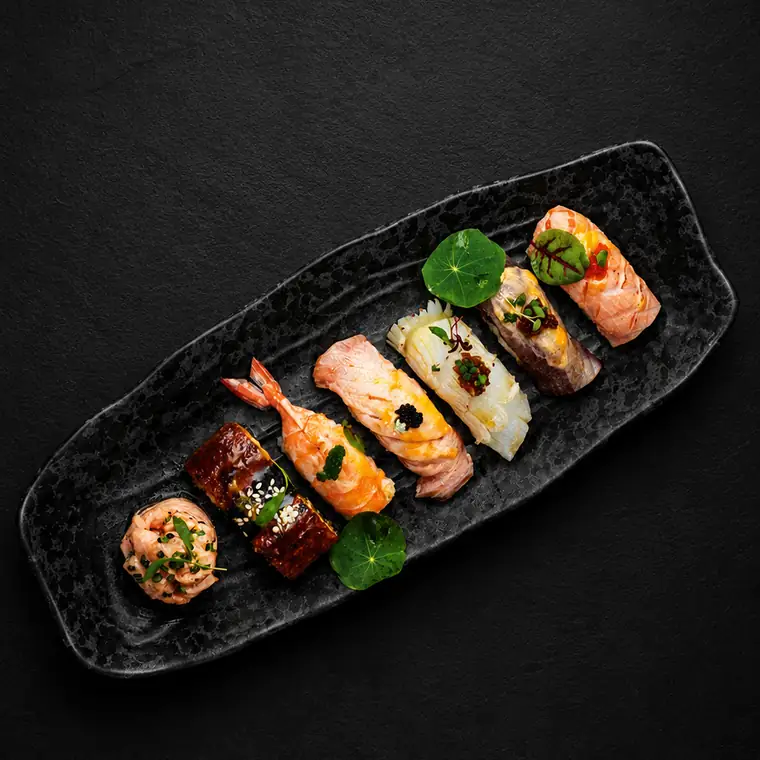
In June 2026 we mapped every Japanese and Japanese-adjacent restaurant near us, mostly to understand our own competition. We found seventeen inside a two-kilometre radius of Jl. Tanah Barak, the nearest about six hundred metres away. Between them they cover sushi bars, izakaya, a ramen specialist, teppanyaki, fine dining, fusion rooms, and an eight-seat omakase counter where dinner runs past a million rupiah a head.
That is a lot of choice in a small area, and it makes the usual "best Japanese in Canggu" list fairly useless — those lists rank places against each other as if they were competing for the same evening. Mostly they are not. Here is a more useful way to think about it.
Four categories, not one ranking
Almost every Japanese room in Canggu falls into one of four types, and the type tells you more than the star rating.
- Omakase counters. Fixed menu, chef decides, very few seats. You are buying the chef's judgement and a fish sourcing budget, and in Canggu that currently means somewhere upwards of a million rupiah a head. Right when you want an occasion; wrong when you want to choose your own dinner.
- Izakaya. Skewers, small plates, cold beer, volume. Built for groups and for drinking. Loud by design — that is the point, not a flaw.
- Ramen and noodle counters. Single-dish specialists. Fast, cheap, excellent when they are good. Not a place to sit for two hours.
- Fusion dining rooms. Full menu — sushi, sashimi, grill, noodles, rice, dessert, bar — with classical technique loosened enough to use local produce and to let a table of six people all order what they actually feel like. This is where ENSO sits, along with several others in the area.
What to ask yourself before you book
Three questions cover most cases.
Is anyone at the table not eating sushi? If yes, a specialist counter will strand them. A full-menu room lets one person eat sashimi while another eats ramen and a third eats a bento. At ENSO that flexibility is the whole design: 141 dishes and drinks across raw, grill, noodle, rice and dessert, plus a bar.
Do you need to hear each other? Canggu is not short of loud, excellent restaurants. It is short of quiet ones. If the conversation matters more than the energy, filter for rooms that are described as calm before you filter for anything else.
What time are you actually eating? The 13:00–18:00 window is where set menus and afternoon deals tend to live, across most of the area. You will usually pay less and wait less.
Reading a menu you cannot pronounce
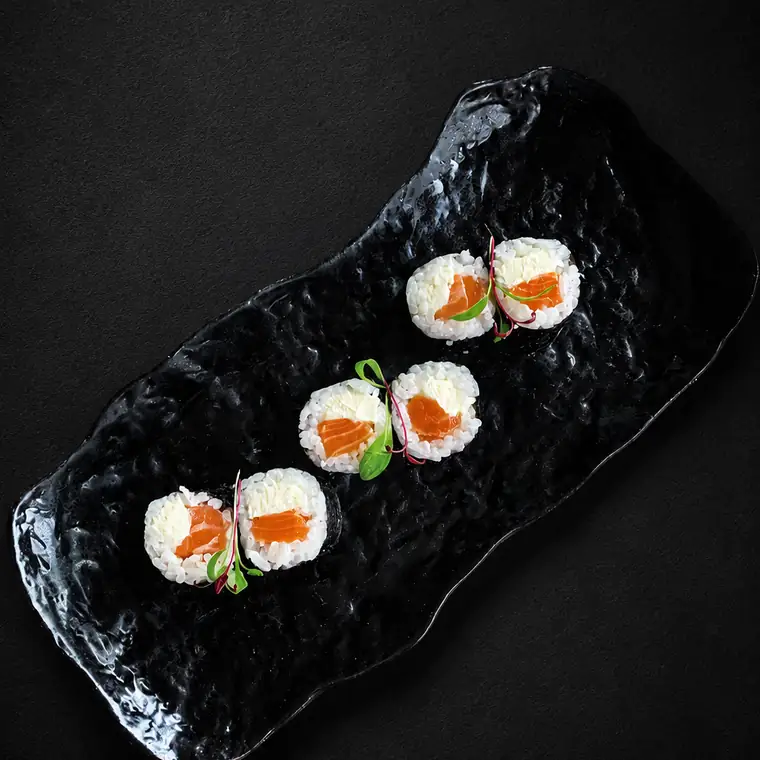
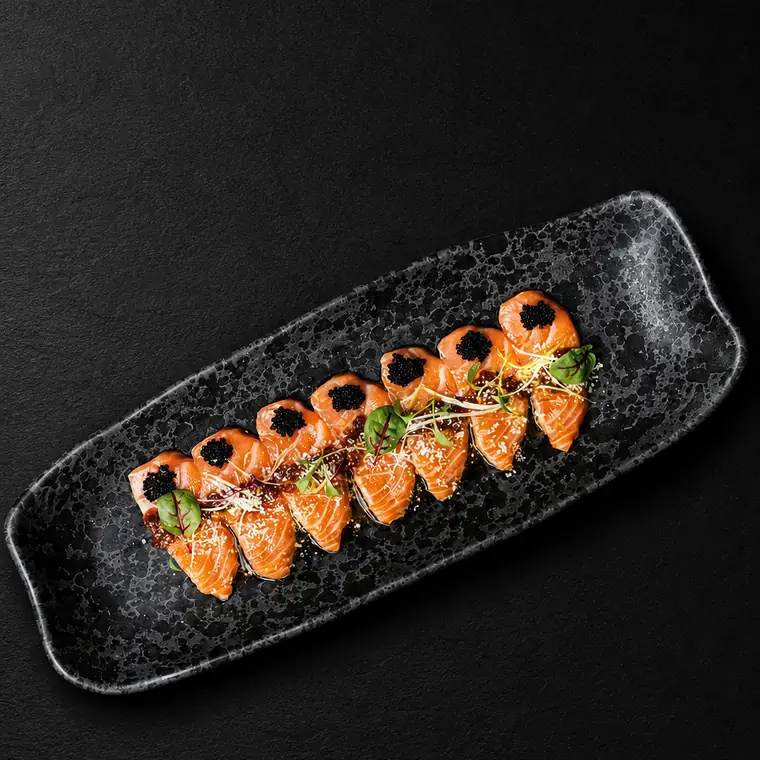
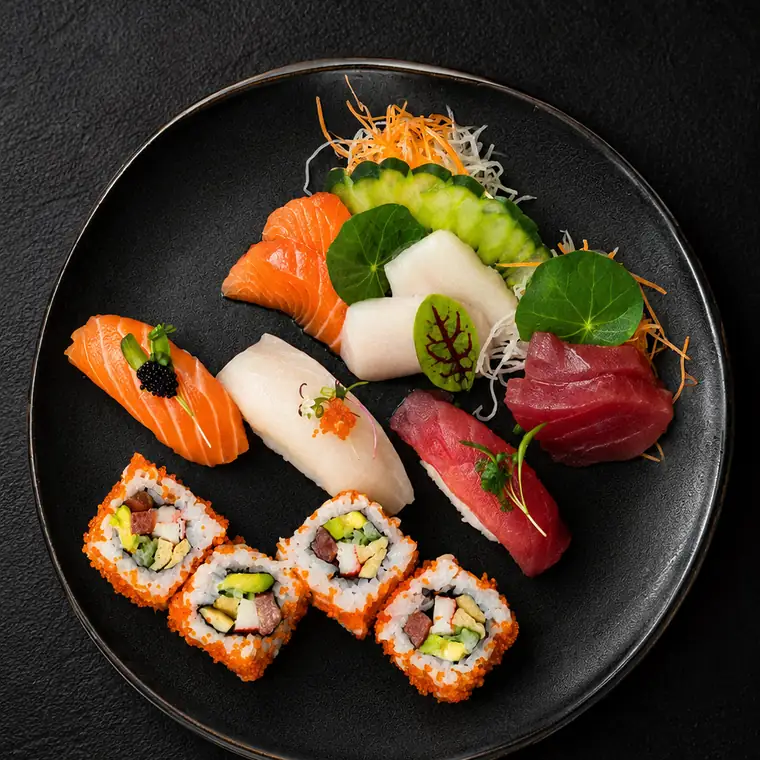
The vocabulary is more consistent than it looks. Nigiri is fish over pressed rice. Sashimi is fish without rice. Maki is rolled with nori outside; uramaki is rolled with rice outside; gunkan is a rice base wrapped in a nori collar so a loose topping can sit on it; temaki is a hand-rolled cone. Donburi is a rice bowl. Aburi means the top has been torched.
Once those seven words are in place, most Japanese menus in Bali become readable — and you stop defaulting to the California Roll.
On price
Almost every Indonesian restaurant menu quotes pre-tax prices. A 10% government tax and a 5% service charge are added at the till, so a Rp 100K plate arrives on the bill at Rp 115K. This is standard and it is not a surcharge someone is sneaking past you — but it is worth knowing before you build a budget for the table.
A short, non-neutral note
We run one of these restaurants, so treat this as informed rather than impartial — and note that the seventeen-restaurant figure is our own June 2026 count from Google Maps, not an official statistic. What we would say is that the category matters more than the ranking. Pick the format that fits the evening, then pick the room inside that format.